
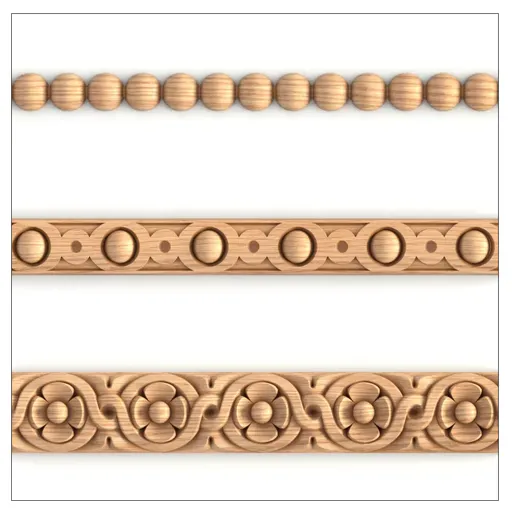
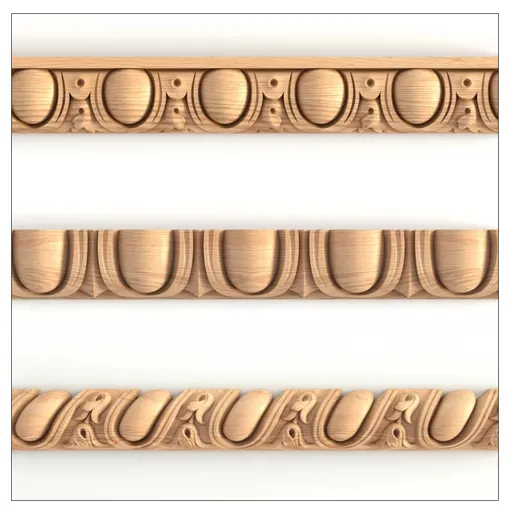
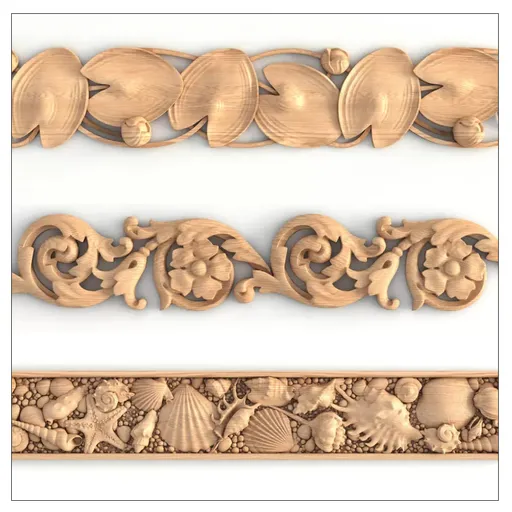
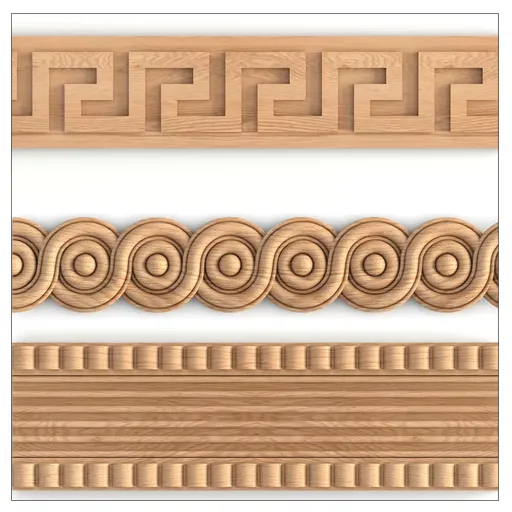


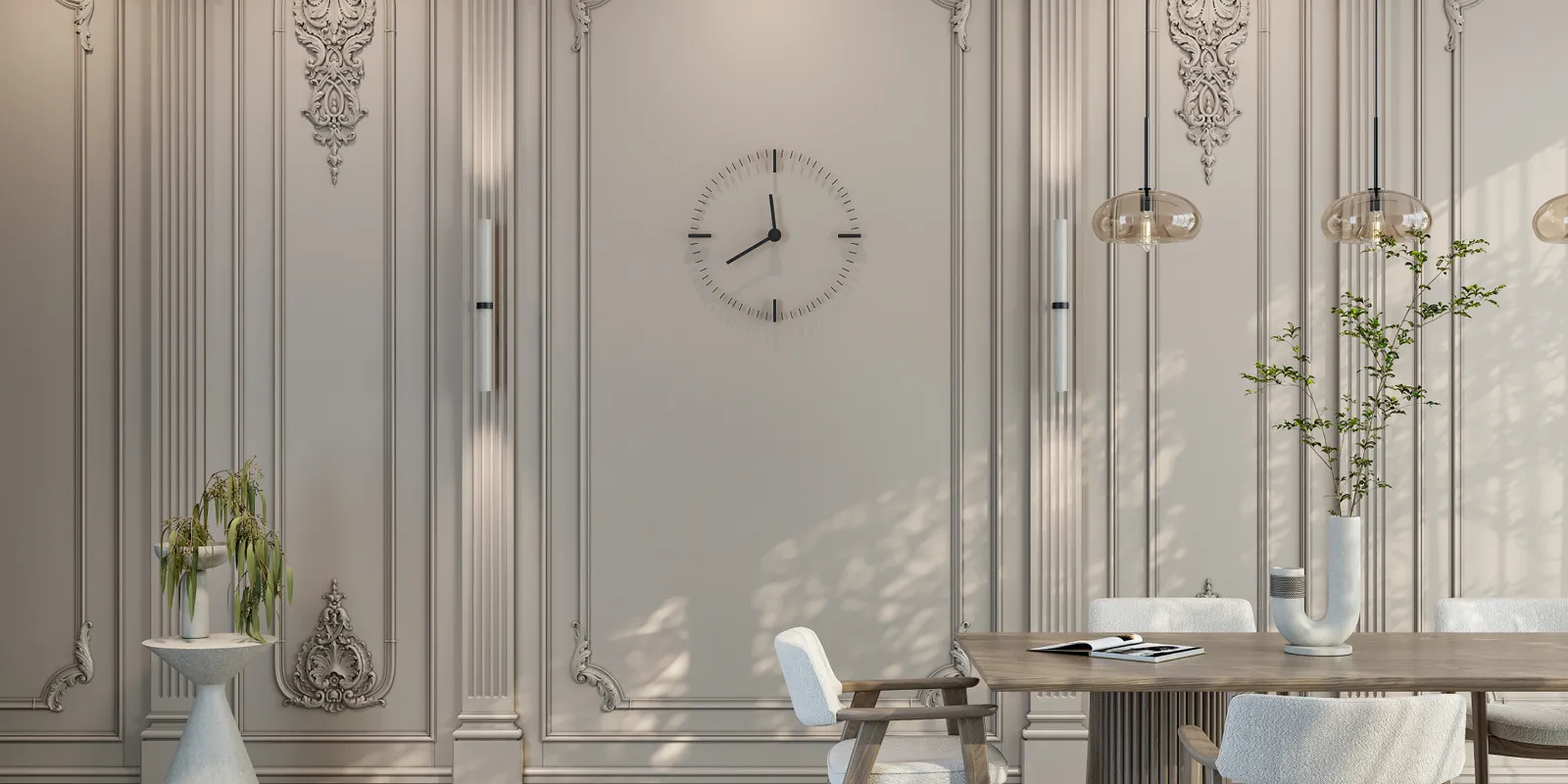
What is Decorative Trim? A Guide to Enhancing Interiors and Furniture
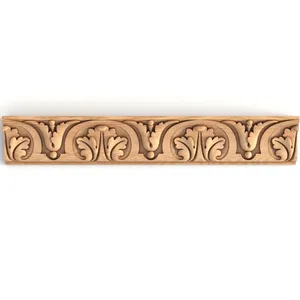
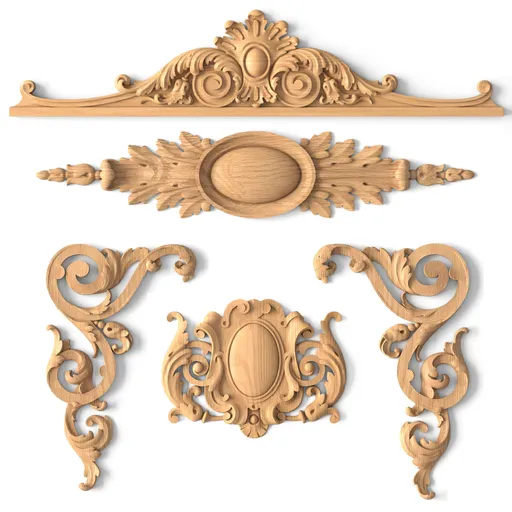
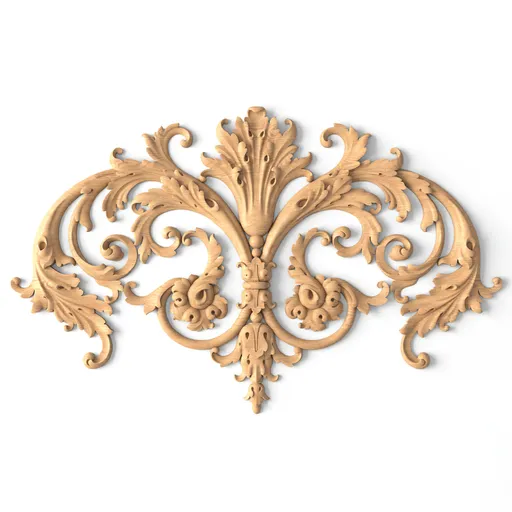
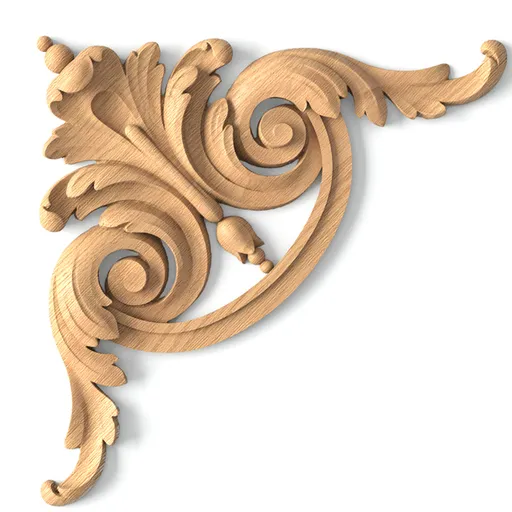
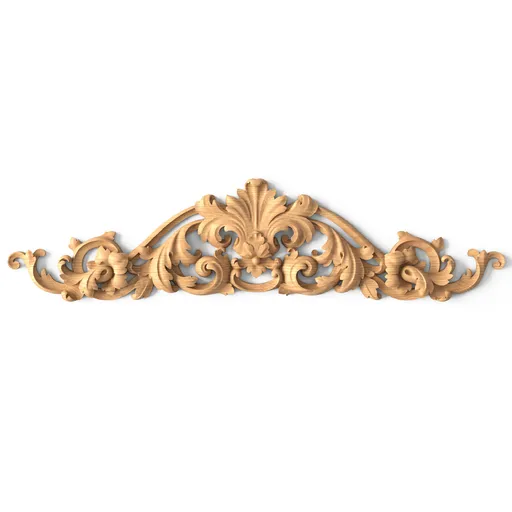
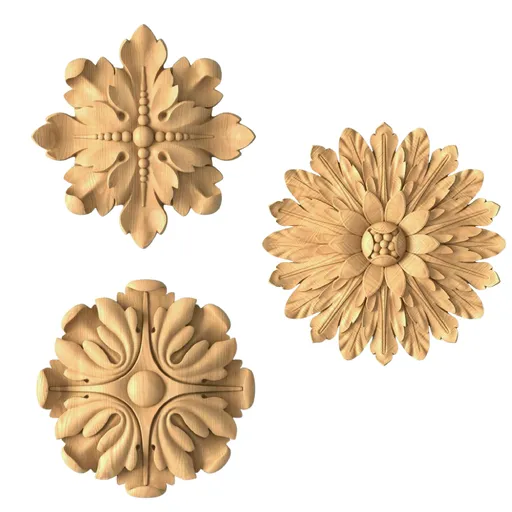
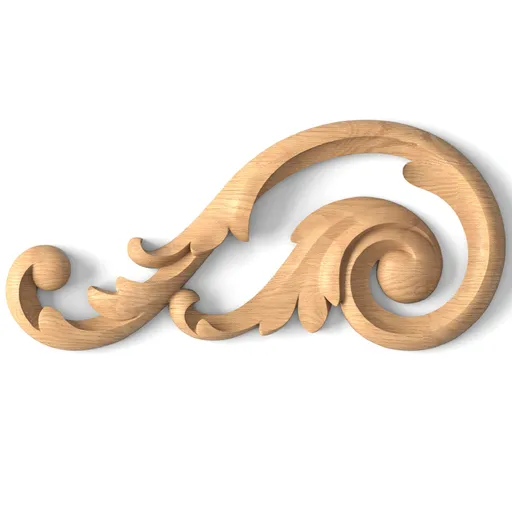
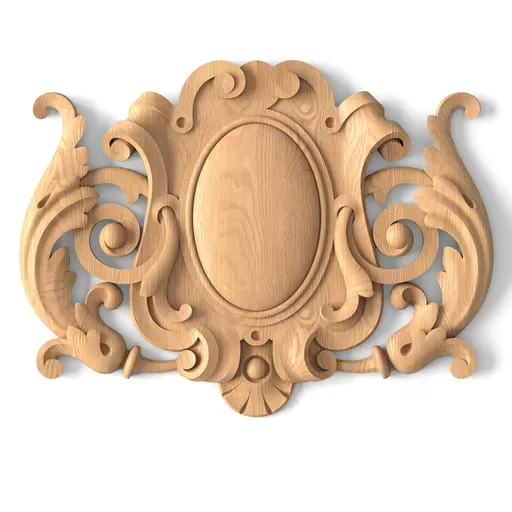
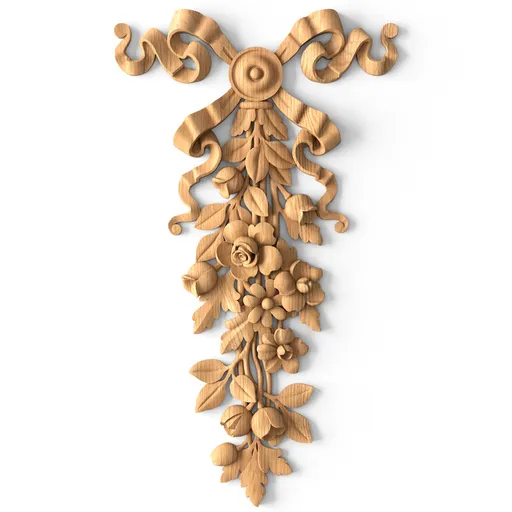
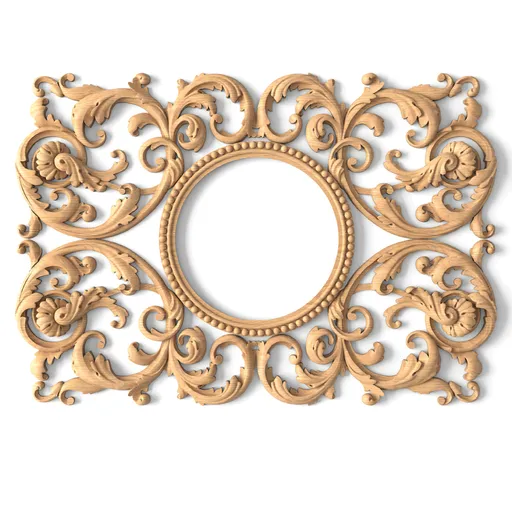
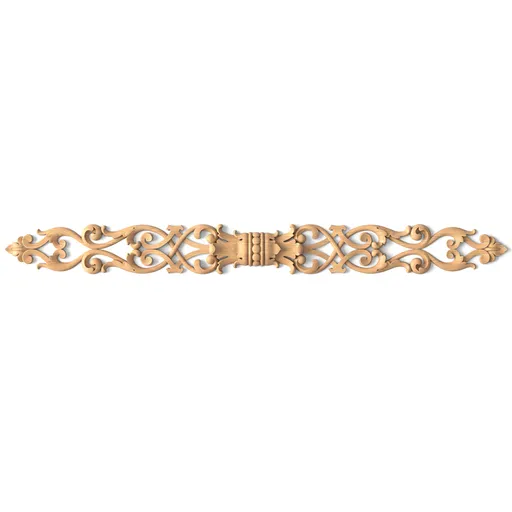
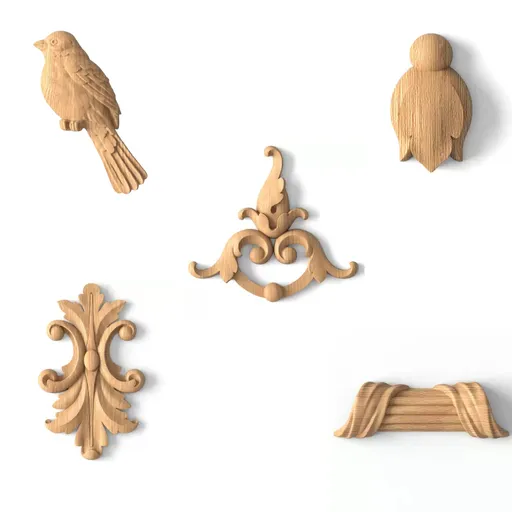
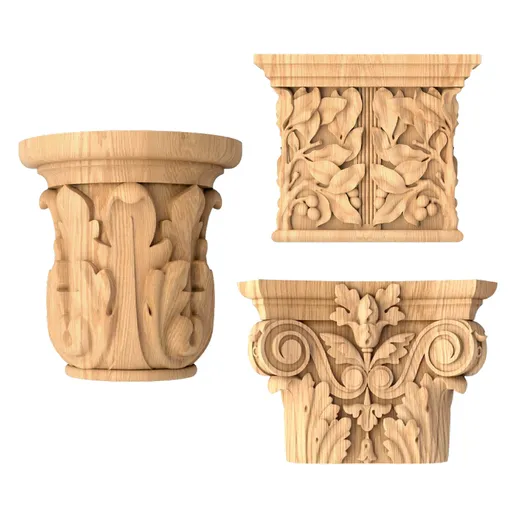
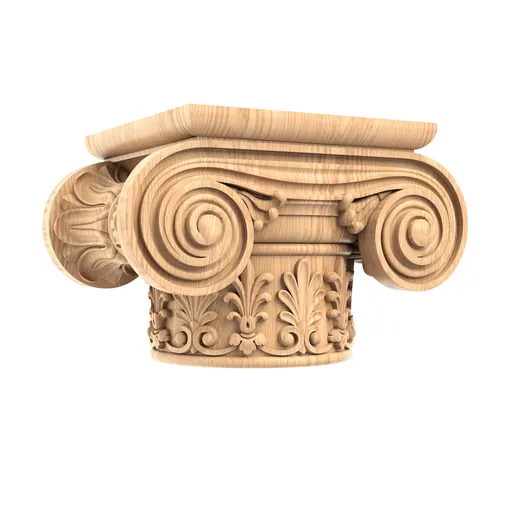
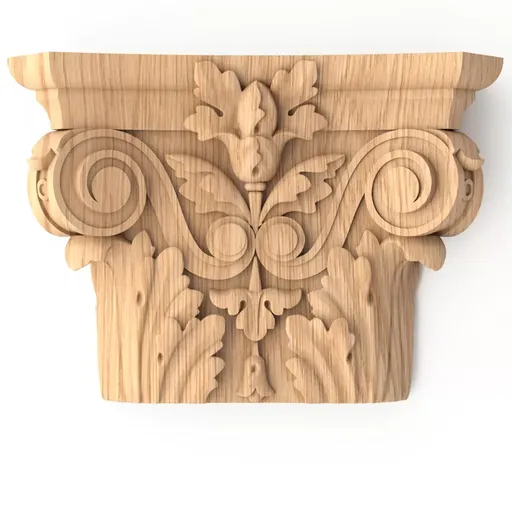
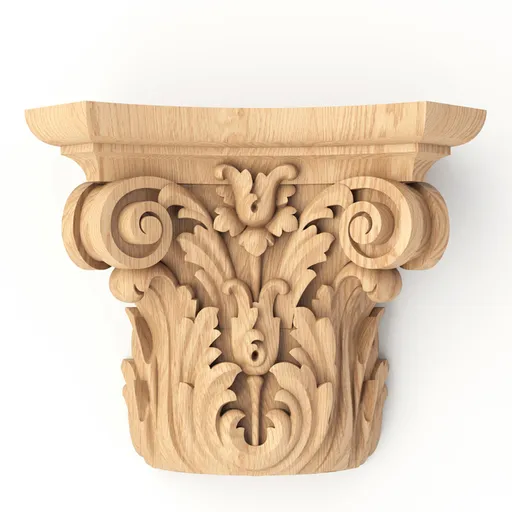
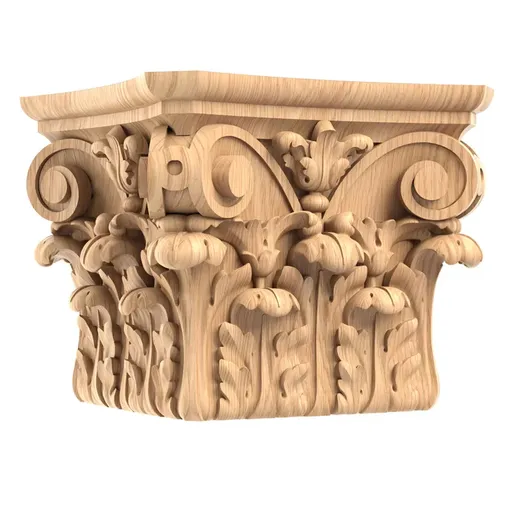
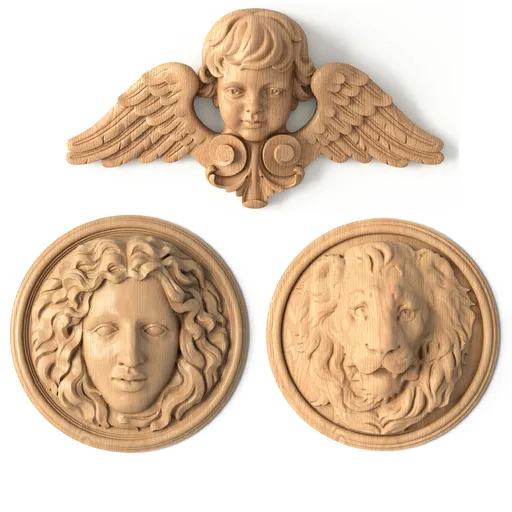
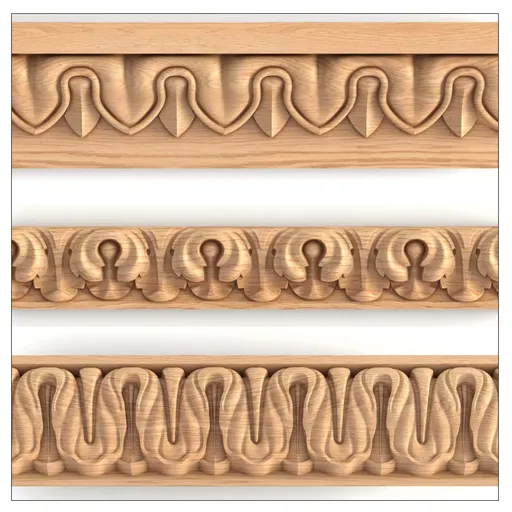
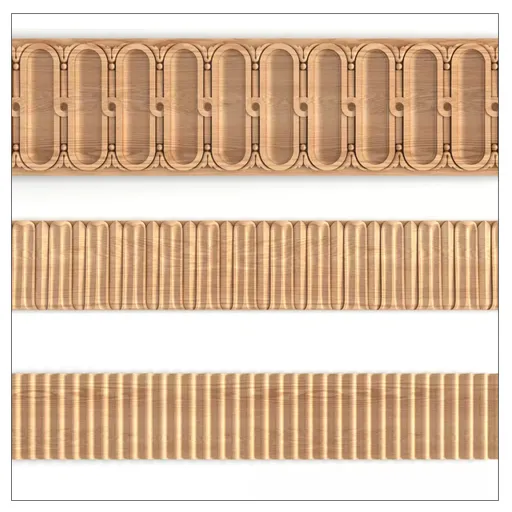
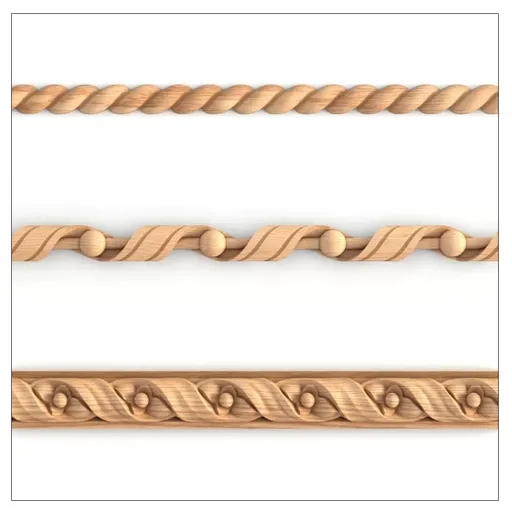
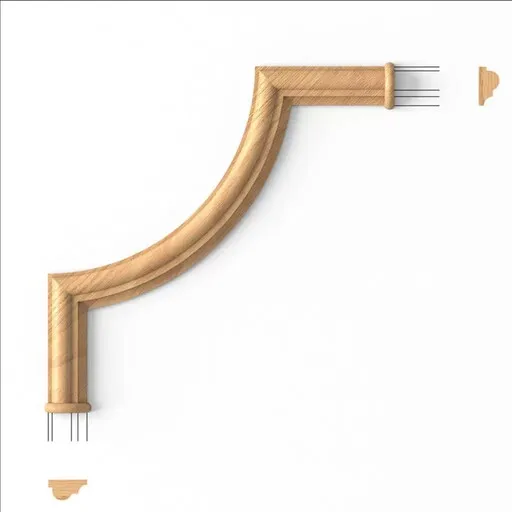
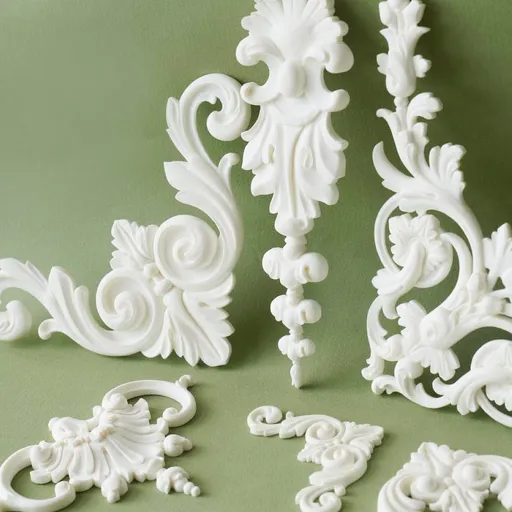
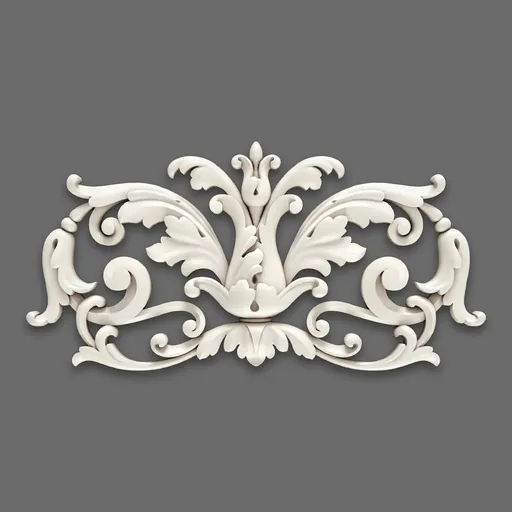
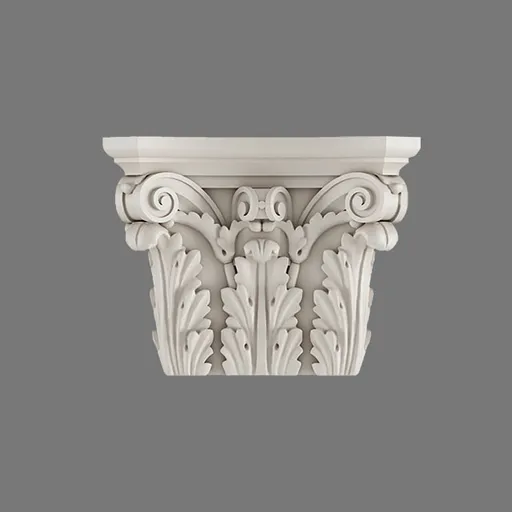
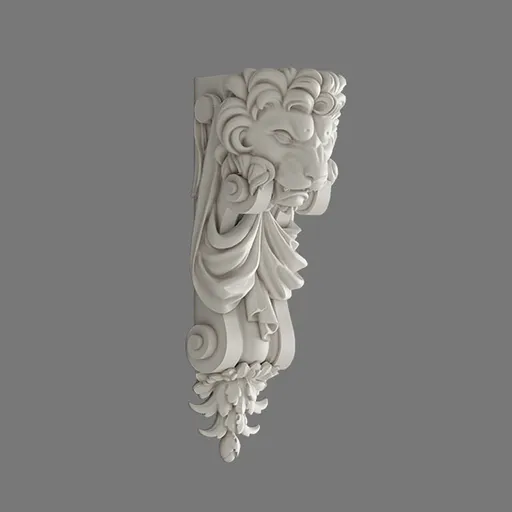
Decorative trim refers to the intricate, ornamental elements used to enhance the beauty and character of interiors, furniture, and architectural details.
Whether it’s applied to walls, ceilings, doors, or furniture, decorative trim serves as a versatile design tool, transforming plain surfaces into elegant and unique masterpieces. Typically made from materials like wood, plaster, or modern synthetics, decorative trim is an essential element in interior and architectural design.
TYPES OF DECORATIVE TRIM
Decorative trim comes in various styles and applications, each offering a unique way to enhance your space. Here are some of the most common types:
Wall Moldings
Wall moldings are used to add detail and structure to plain walls. Popular examples include:
- Chair Rails: These moldings divide walls horizontally, protecting them and adding visual interest.
- Picture Rails: Positioned near the ceiling, they serve both practical and decorative purposes.
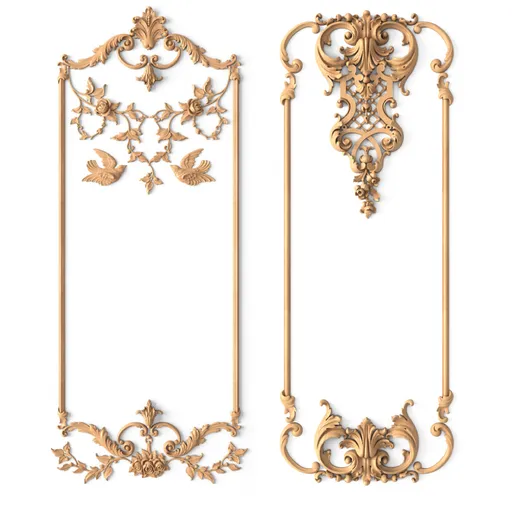
- Panel Moldings: Used to create framed designs or wainscoting for an elegant look.
Ceiling Moldings
Ceiling trims elevate the look of any room by adding sophistication to the often-overlooked ceiling. Common options include:
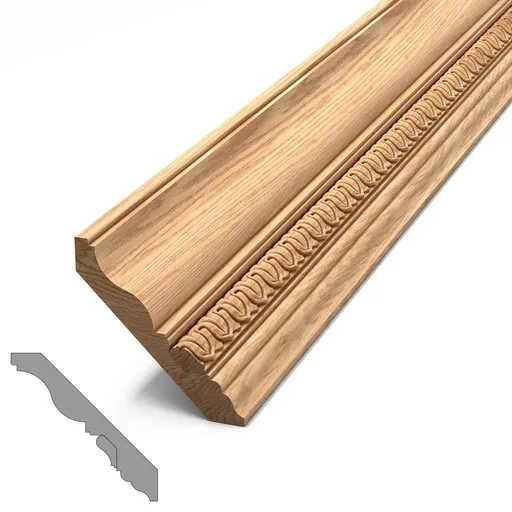
- Crown Moldings: Installed at the junction of walls and ceilings, they add a polished and classic touch.
- Ceiling Medallions: Perfect for enhancing light fixtures or chandeliers.
- Cornices: Decorative moldings used to hide seams and add depth to a ceiling.
Furniture Trim
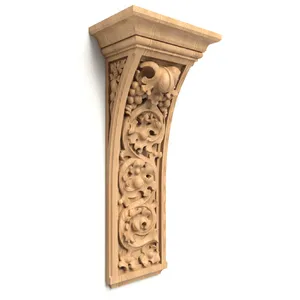
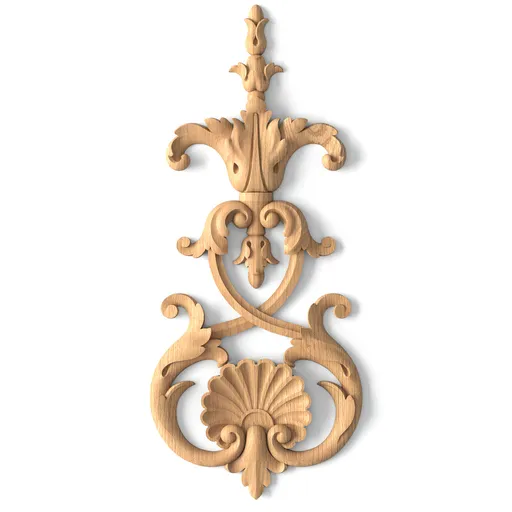
Carved decorative elements are often added to furniture pieces to create stunning details. Examples include:
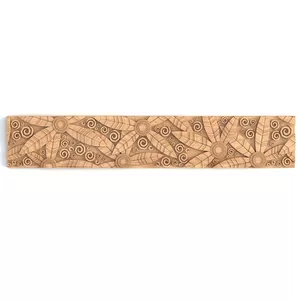
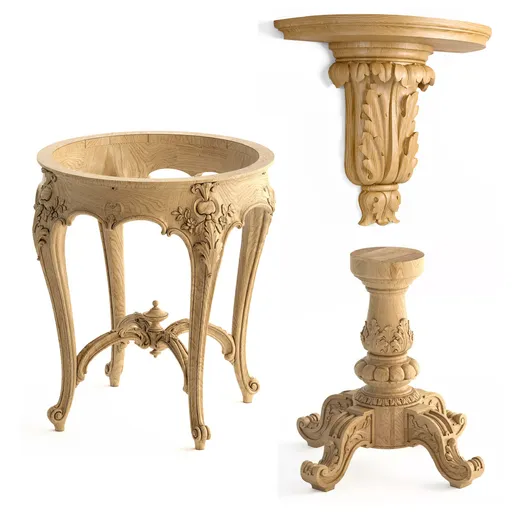
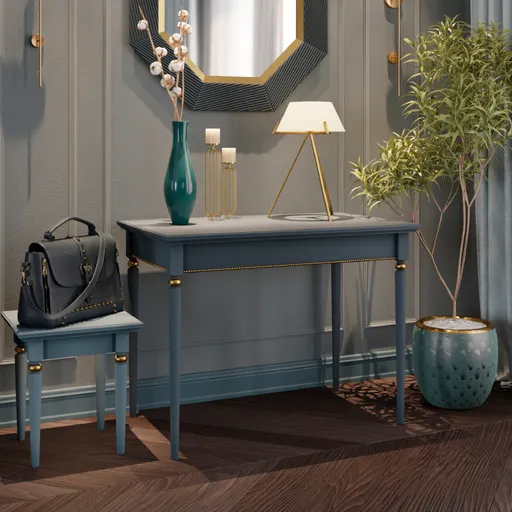
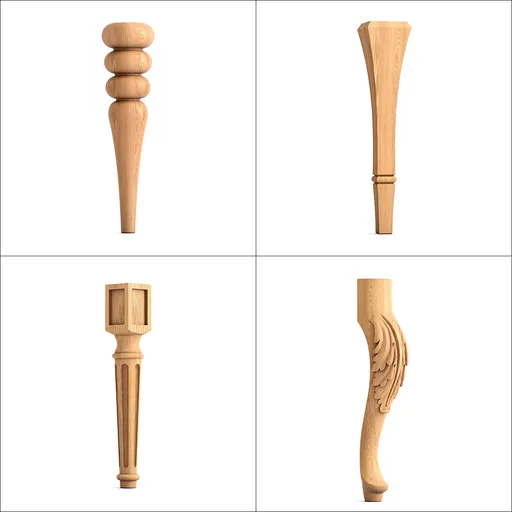
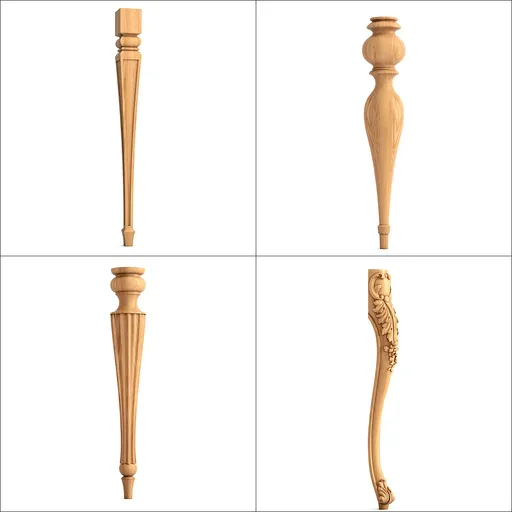
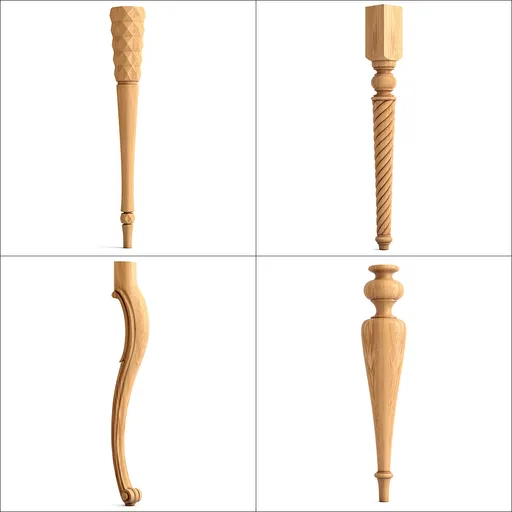
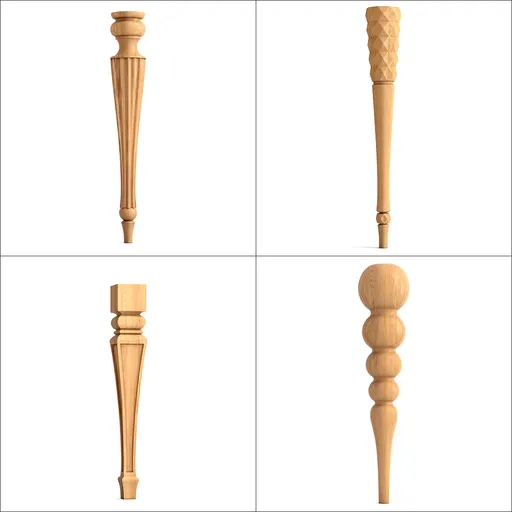
- Table Edging: Intricate trims for table surfaces or legs.
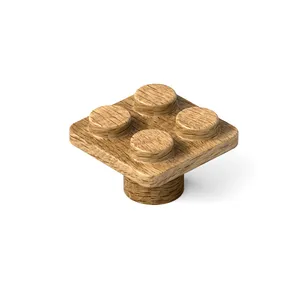
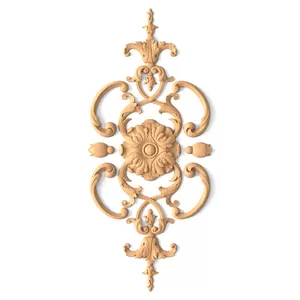
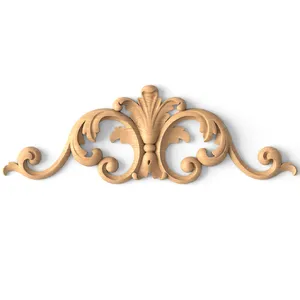
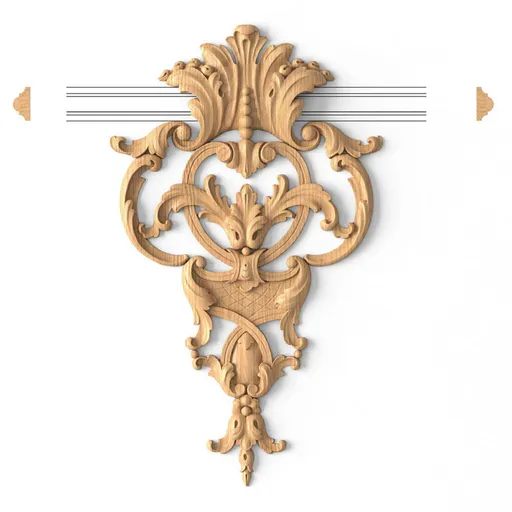
- Cabinet Appliques: Embellishments for cabinet doors or frames.
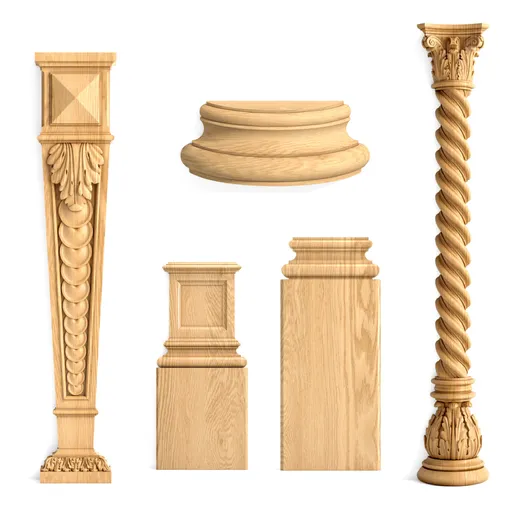
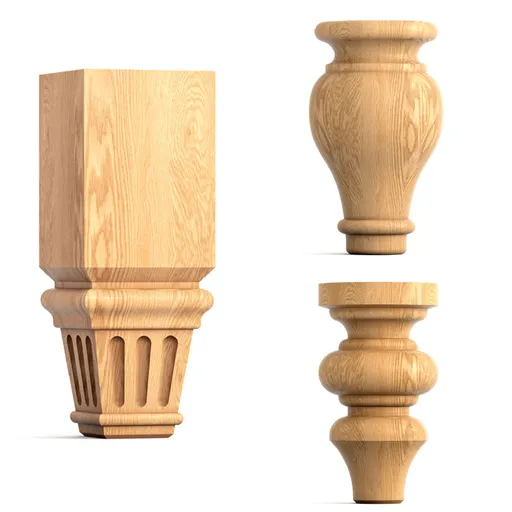
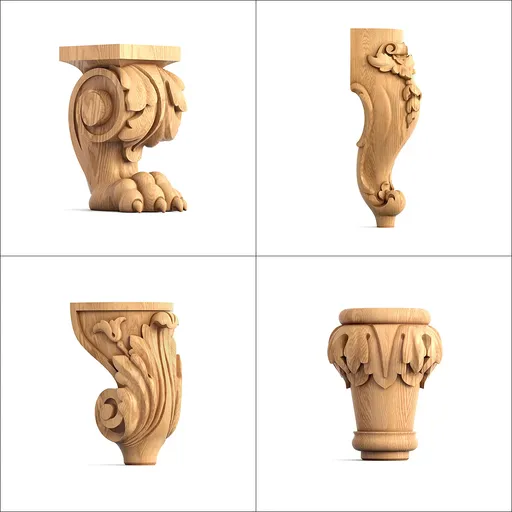
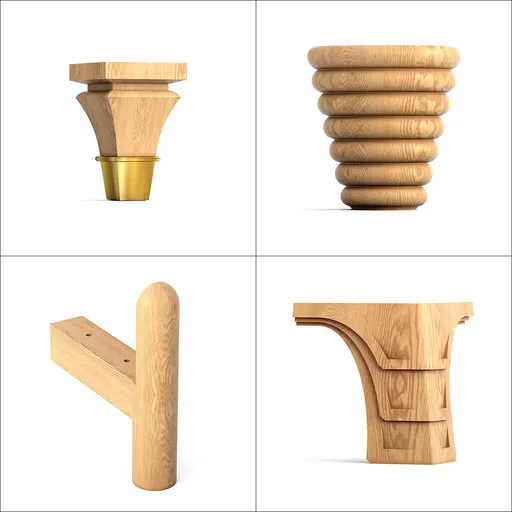
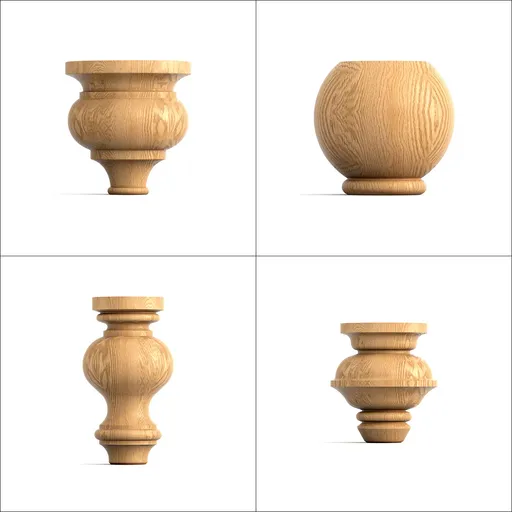
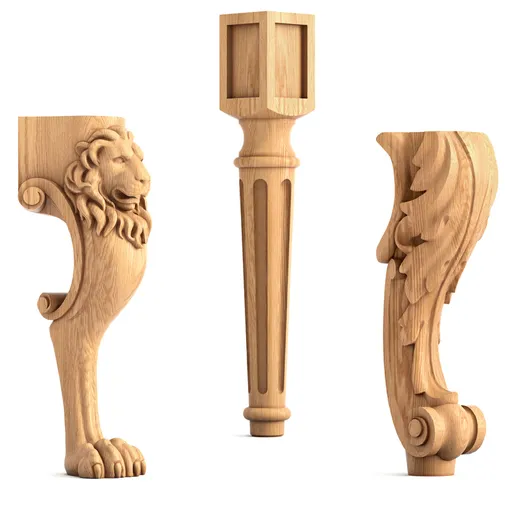
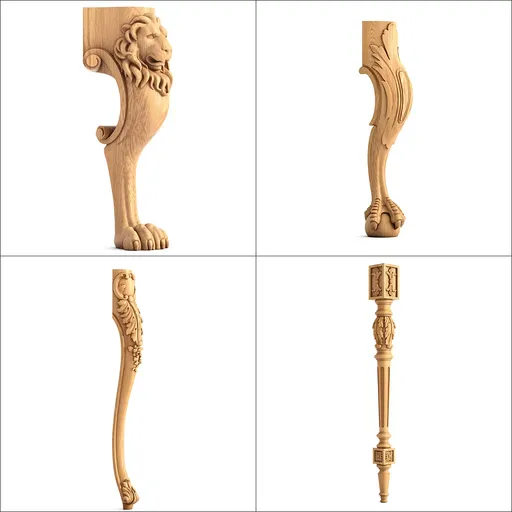
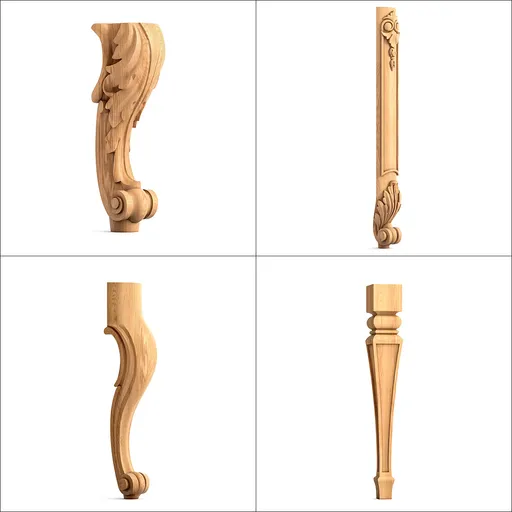
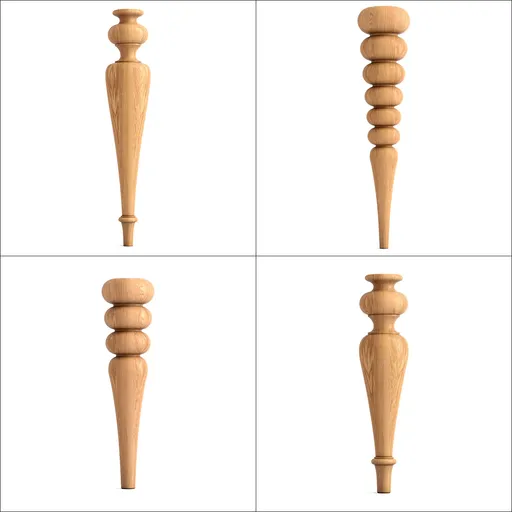
- Carved Legs: Ornamental designs on table or chair legs to enhance their appeal.
Door and Window Trim
Frames around doors and windows are often adorned with decorative trim to make them stand out. Examples include:
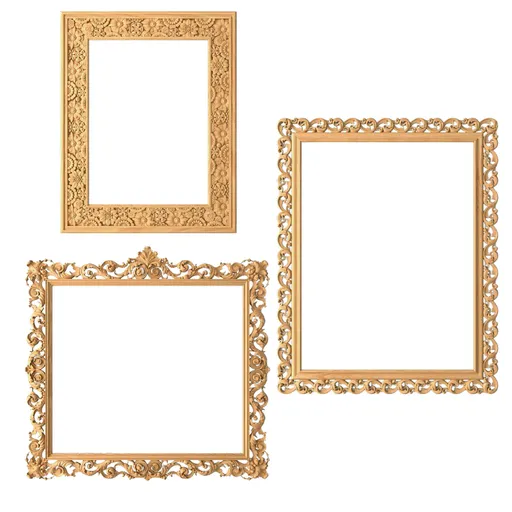
- Casing Moldings: Decorative surrounds for doorways or windows.
- Pediments: Ornamental crowning features above doors or windows for a classic, grand look.
Staircase Trim
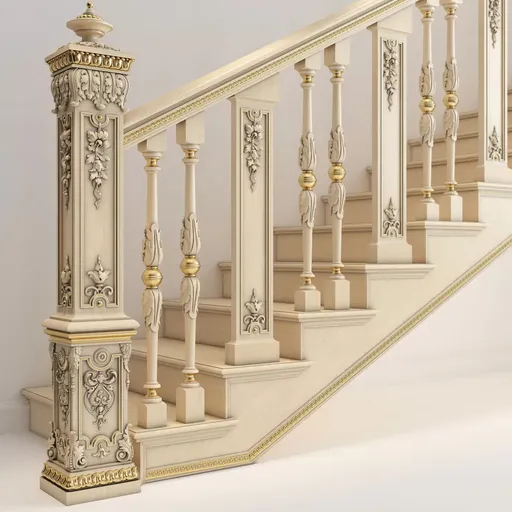
Staircases are a central feature in many homes, and decorative trim can bring out their full potential. This includes:
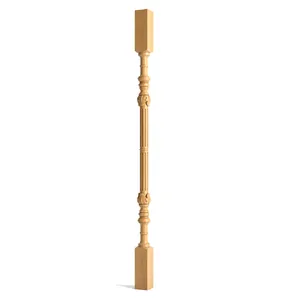
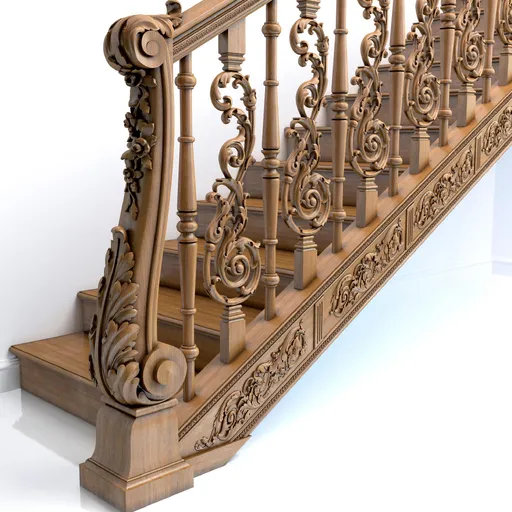
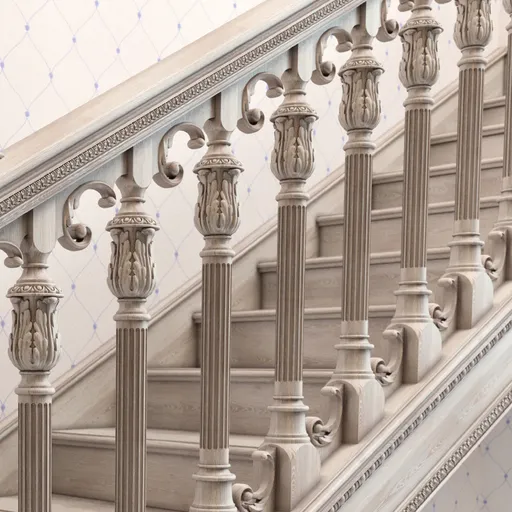
- Balusters: Ornate vertical supports for handrails.
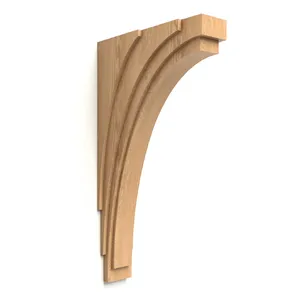
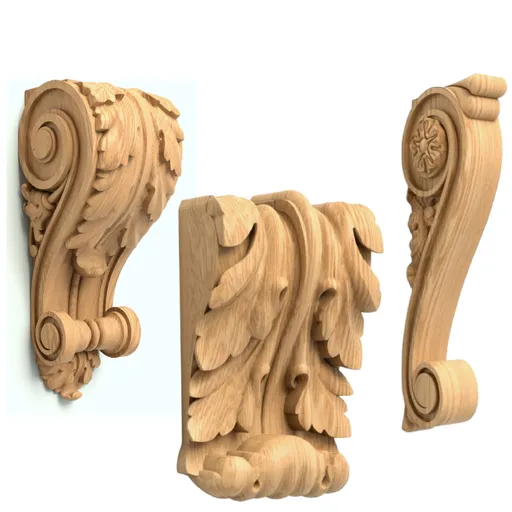
- Stair Brackets: Carved trims added to the sides of staircases for an elegant touch.
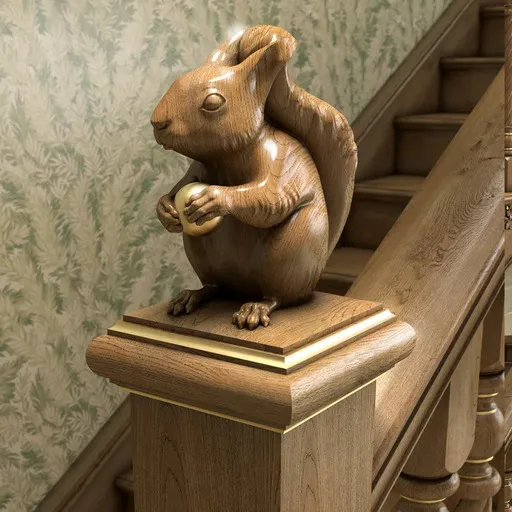
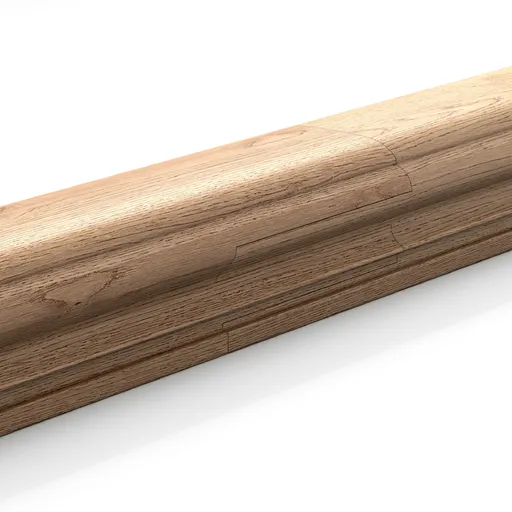
- Handrail Details: Finely crafted wooden handrails add charm to your staircase.
THE PURPOSE OF DECORATIVE TRIM
Decorative trim serves a dual purpose—functionality and aesthetics. Here’s why it’s so important:
- Aesthetic Enhancement: Decorative trim elevates the visual appeal of your space. Whether you’re going for a traditional, modern, or vintage look, trim adds sophistication and elegance to your design.
- Customization: It allows homeowners and designers to create a personalized space by adding unique details that reflect individual taste and style.
- Architectural Definition: Trim highlights architectural features like ceilings, walls, and furniture edges, giving them a distinct character.
- Protection: In some cases, trim also serves to protect walls and edges from damage, as with chair rails or corner trims.
WHY CHOOSE DECORATIVE TRIM?
Decorative trim is the perfect way to add character, charm, and personality to any interior or furniture piece. Whether you want to create a luxurious classic style or add modern sophistication, the possibilities are endless.
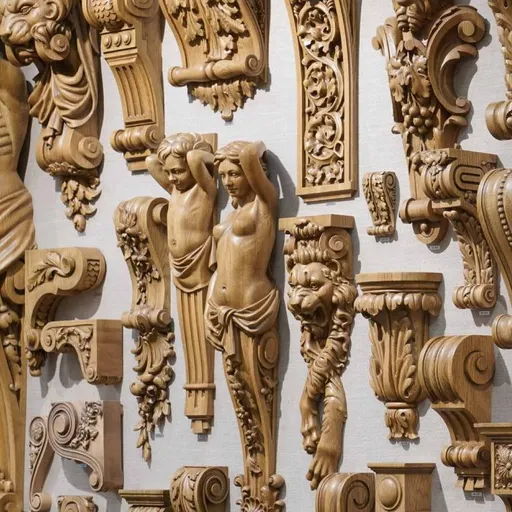
At Carved Decor, we offer an extensive collection of handcrafted decorative trims, made with precision and passion. From crown moldings to intricate furniture embellishments, our trims are designed to bring timeless elegance to your space.
Explore our catalog today to find the perfect decorative trim for your home or furniture project!
Types of Wood Moulding
TYPES OF DECORATIVE MOULDINGS:
- Crown moulding: installed where the walls meet the ceiling, protecting it from damage as well as framing the interior. Consider using a more ornate design in formal spaces, such as dining rooms or living areas, while opting for simpler styles in casual spaces like bedrooms or kitchens. Painting the crown moulding the same color as the ceiling can create an illusion of height, while contrasting colors can make a bold statement. For an extra touch of luxury in larger spaces, consider installing crown moulding with a deep profile or layered moulding for a grander effect. Crown moulding also works great for framing architectural elements like built-in bookcases or fireplaces.
- Baseboards: placed at the bottom of walls to cover the joint between the wall and the floor, giving the room a finished look. In contemporary homes, baseboards with clean, sharp lines and a flat profile create a sleek, polished finish. For older homes, taller, more detailed baseboards will help maintain the character of the space. You can choose wider baseboards for a more dramatic effect, especially in rooms with high ceilings, and If you have hardwood floors, a matching wood stain will create a cohesive look, while painted baseboards can add a pop of color.
- Chair rails: positioned about a third of the way up the wall, chair rails protect the walls from furniture and can also be used to create visual interest by separating paint colors or wallpaper, which is especially effective in dining rooms or hallways.
- Casing: made to surround doors and windows, you can use casings for a more substantial look, or to add decorative details such as fluted designs or rosettes. Painting the casing a contrasting color to the wall can make the windows and doors more expressive
- Panel moulding: used to create the illusion of panels on walls, adding texture and depth, as well as your personal touch. You can install it in a grid pattern for a modern look, or opt for more intricate designs for a traditional feel. This technique can work beautifully in entryways, living rooms, or even bedrooms.
Shop our decorative wood mouldings.